

Craft Meets Sculpture: The Rise of Chandeliers as Architectural Art Installations
Modern chandeliers are no longer designed solely to illuminate a space. In today’s luxury interiors, they have evolved into architectural statements—sculptural installations that define scale, atmosphere, and identity.
From high-end hotels to landmark residential projects, designer chandeliers are increasingly commissioned as focal art pieces rather than decorative accessories. Through custom forms, refined materials, and advanced craftsmanship, chandeliers now sit at the intersection of lighting, architecture, and contemporary art.
This evolution marks the rise of chandeliers as a core element of architectural lighting design, where illumination serves both functional and expressive purposes.
The Evolution of Chandeliers: From Utility to Architectural Feature
The transformation of chandeliers mirrors broader shifts in design, technology, and cultural values. Early chandeliers were purely functional—simple wooden or metal frames designed to hold candles and provide basic light.
As metalworking and glassmaking techniques advanced, chandeliers became symbols of refinement and craftsmanship. Elaborate crystal designs emerged in grand residences and ceremonial spaces, elevating chandeliers into defining architectural features.
The introduction of electric lighting freed chandeliers from functional constraints, allowing designers to experiment with form, scale, and complexity. Today, chandeliers are conceived as custom chandeliers that interact with architecture, define volume, and anchor spaces visually—functioning as sculptural installations rather than suspended fixtures.
Why Chandeliers Are Now Considered Sculptural Art
High-end chandeliers are no longer evaluated only by light output. Instead, they are understood through form, materiality, movement, and spatial presence.
Many bespoke chandeliers are designed as one-of-a-kind or limited-edition pieces, approached with the same creative intent as commissioned artwork. Even when unlit, they command attention through structure, balance, and proportion.
This shift places chandeliers firmly within the category of art installation chandeliers, blending craftsmanship with artistic expression while remaining fully functional lighting elements.
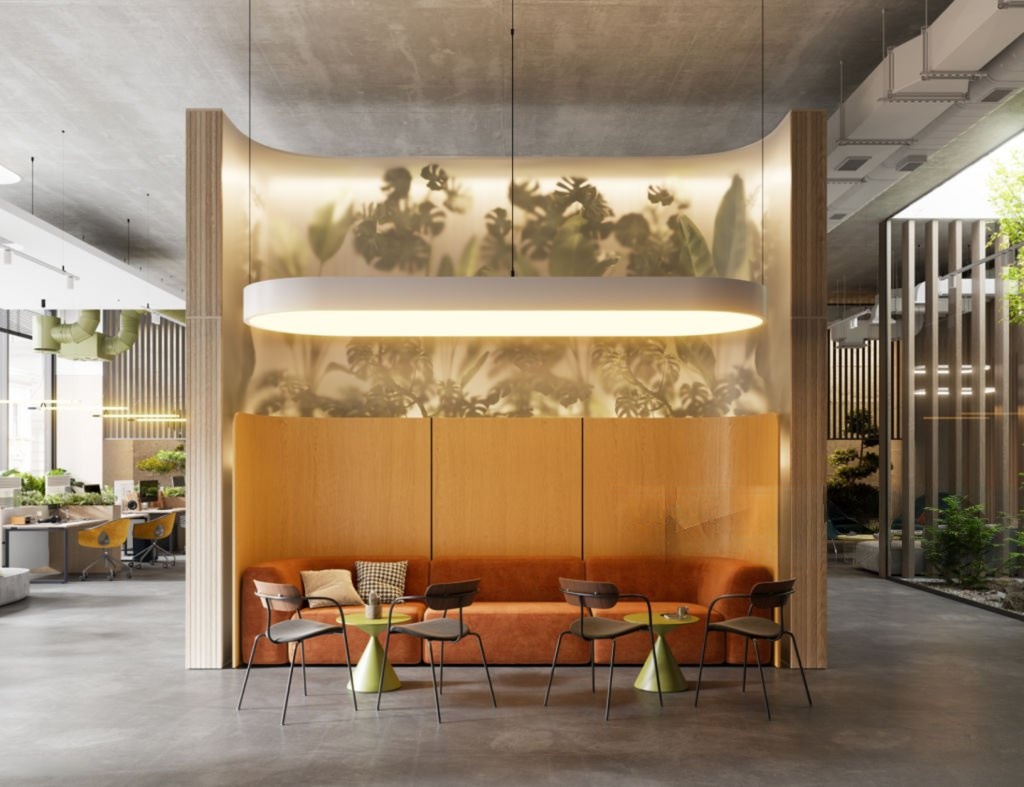
The Influence of Artisan Craftsmanship
Artisan craftsmanship is central to the rise of chandeliers as architectural art. Master craftsmen combine traditional techniques with contemporary fabrication to produce lighting that is both expressive and precise.
- Murano-inspired glass introduces fluidity, color, and depth through hand-blown forms
- Contemporary metalsmithing enables geometric, kinetic, and minimalist structures
- Hand-blown components ensure that no two bespoke luxury chandeliers are ever identical
This level of craftsmanship elevates high end chandeliers beyond decorative objects, transforming them into sculptural centerpieces defined by intention and detail.
Sculptural Elements: Form, Movement, and Geometry
Modern designer statement chandeliers emphasize spatial composition as much as illumination. Designers increasingly explore geometry, asymmetry, and motion to create installations that interact dynamically with their surroundings.
Organic forms inspired by nature soften architectural rigidity, while layered or kinetic elements introduce rhythm and movement. In luxury hotels and cultural spaces, these chandeliers shape how guests experience scale, volume, and flow—becoming integral to the spatial narrative.
Materials Defining Today’s Architectural Chandeliers
Material selection plays a defining role in contemporary chandelier design.
Glass remains essential, whether through Murano-inspired hand-blown forms, fused textures, or Baccarat-style crystal elements that enhance brilliance and light diffusion.
Metals such as brass, stainless steel, and mixed alloys provide structural contrast, warmth, and modern refinement. Together, these materials reinforce the sculptural identity of designer chandelier lighting, balancing durability with artistic presence.
Techniques That Transform Chandeliers into Art Installations
The creation of architectural chandeliers relies on a blend of traditional craft and advanced engineering.
Hand-blown glass sculpting introduces organic variation and depth, while metal forging provides strength and fluidity in form. Precision engineering techniques—such as laser cutting and modular construction—allow for accuracy, scalability, and customization without compromising artistic intent.
These processes enable chandeliers to function as large-scale installations while maintaining refined detailing and performance.
Customization Trends: From Bespoke Design to Signature Installations
Customization has become a defining aspect of contemporary bespoke chandeliers. Designers, architects, and clients collaborate closely, treating chandeliers as commissioned works rather than catalog selections.
Through this process, materials, scale, geometry, and lighting behavior are tailored to align with architectural vision and brand identity. The result is a signature installation—one that reinforces exclusivity while ensuring seamless integration within the space.
Final Thoughts
Chandeliers have entered a new design era—one where craftsmanship, sculpture, and architecture converge. No longer limited to illumination, they now serve as defining elements within luxury interiors.
Whether commissioned as bespoke installations or selected as bold focal pieces, today’s designer chandeliers represent the fusion of art and engineering. They shape spaces with intention, elevate architectural identity, and redefine how luxury lighting is experienced.
Frequently Asked Questions (FAQs)
1. Can modern chandeliers be used in both residential and commercial spaces?
Yes. Contemporary chandeliers are designed for versatility and can be adapted for high-end residential projects, hotels, restaurants, and other commercial environments.
2. What should be considered when commissioning a custom art installation chandelier?
Key considerations include scale, materials, artistic style, lighting performance, and professional installation requirements.
3. Is it possible to order designer chandeliers in bulk?
Yes. Bulk orders are possible, particularly for hospitality and large-scale architectural projects, with designs coordinated to ensure consistency across spaces.